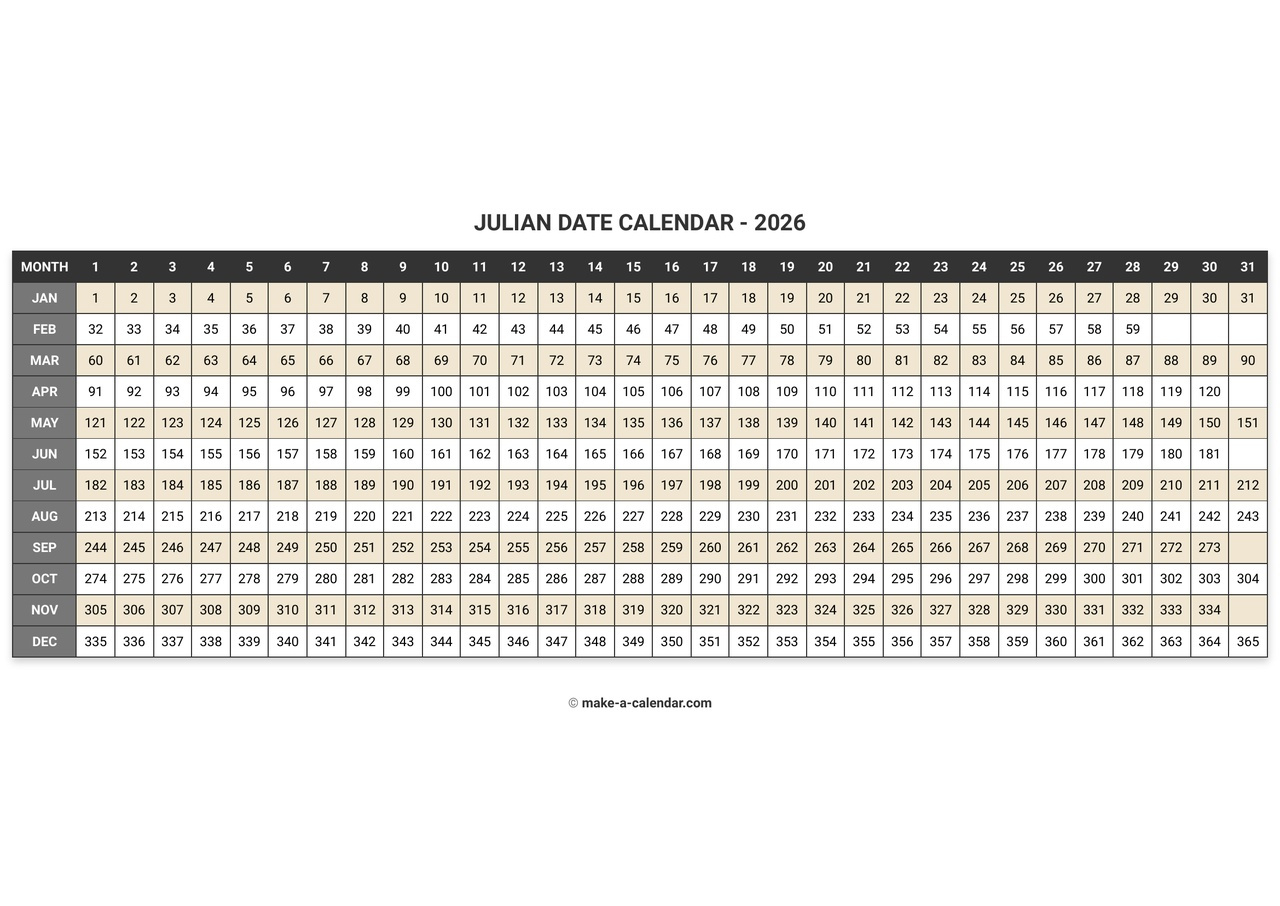
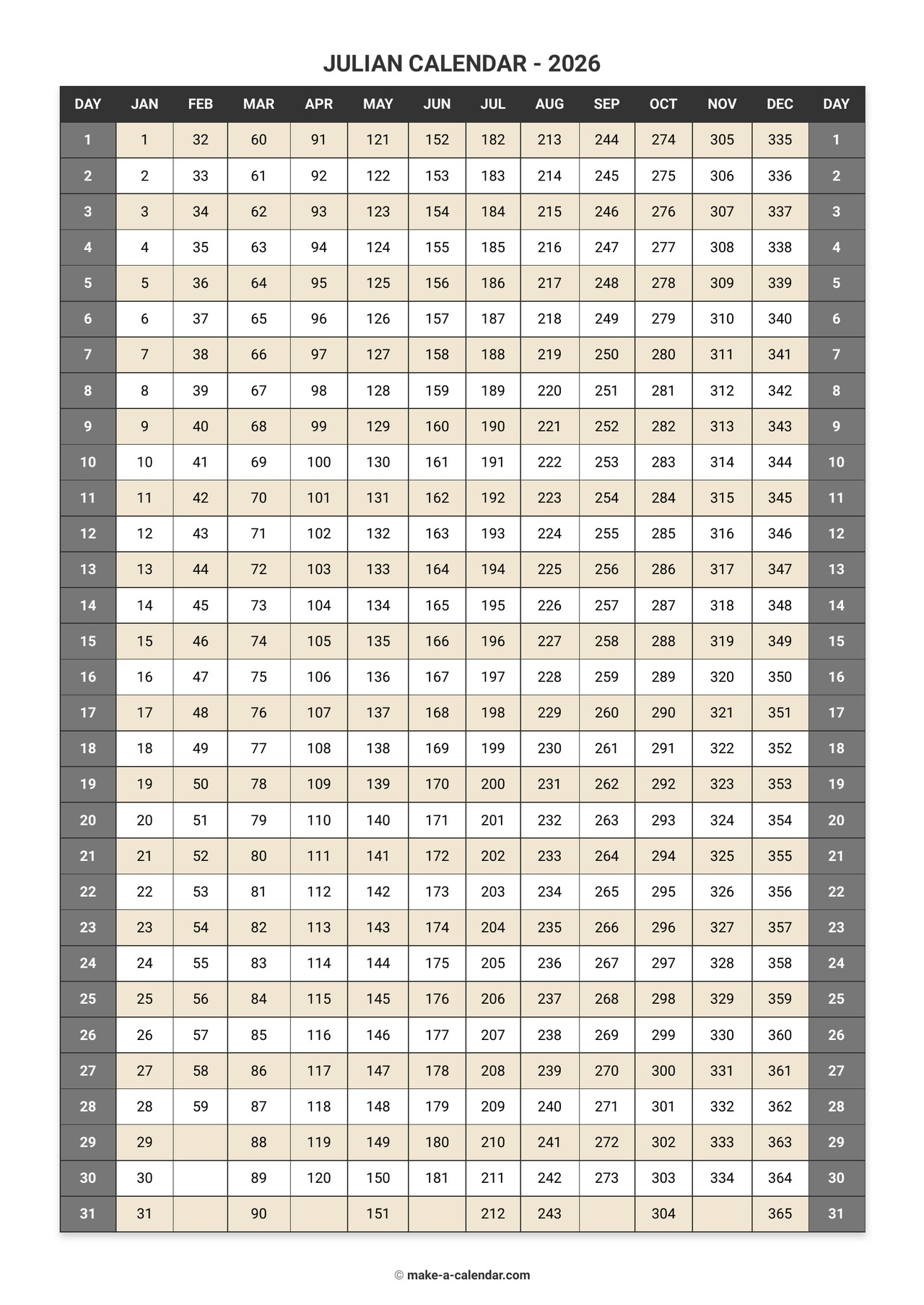
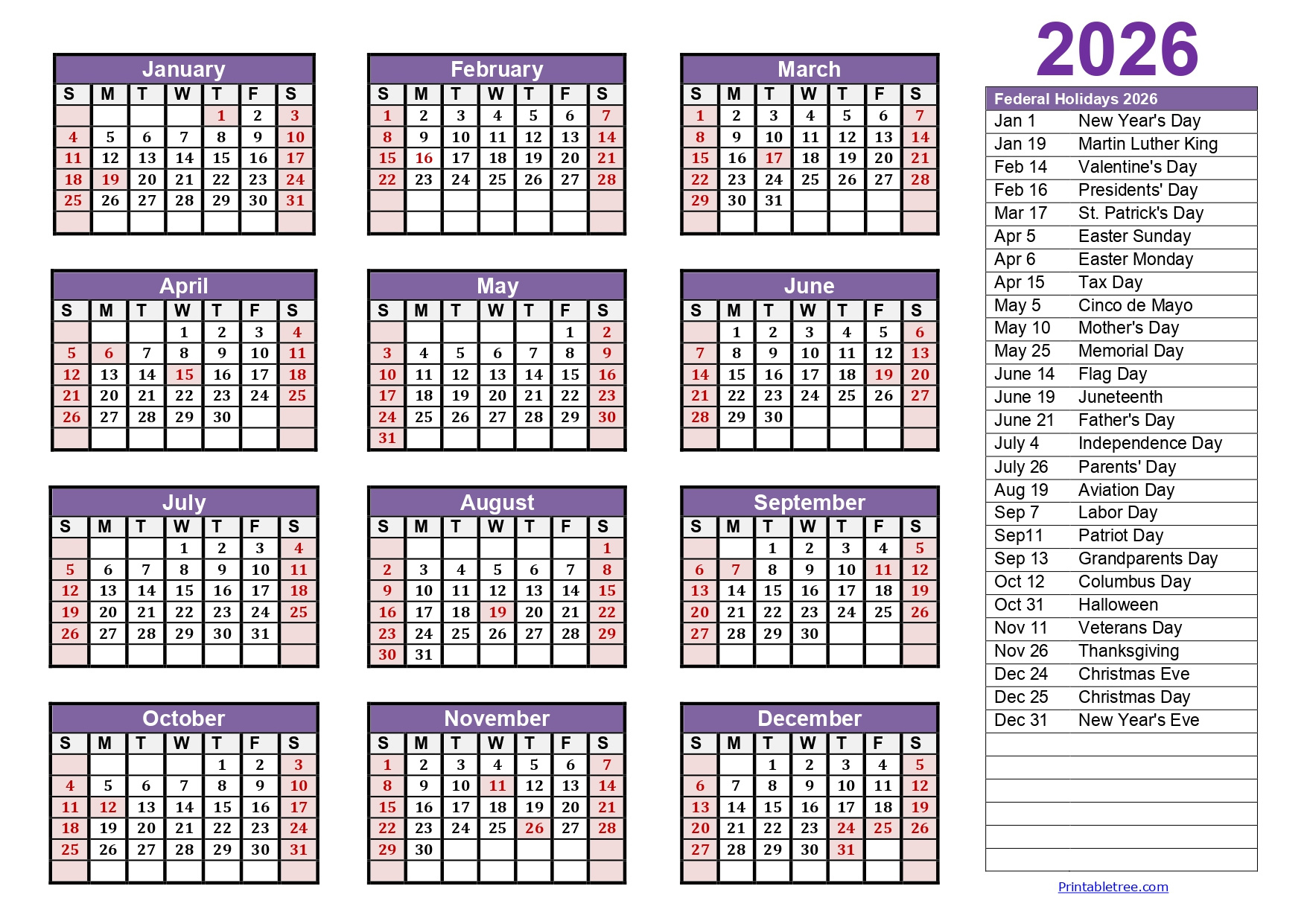
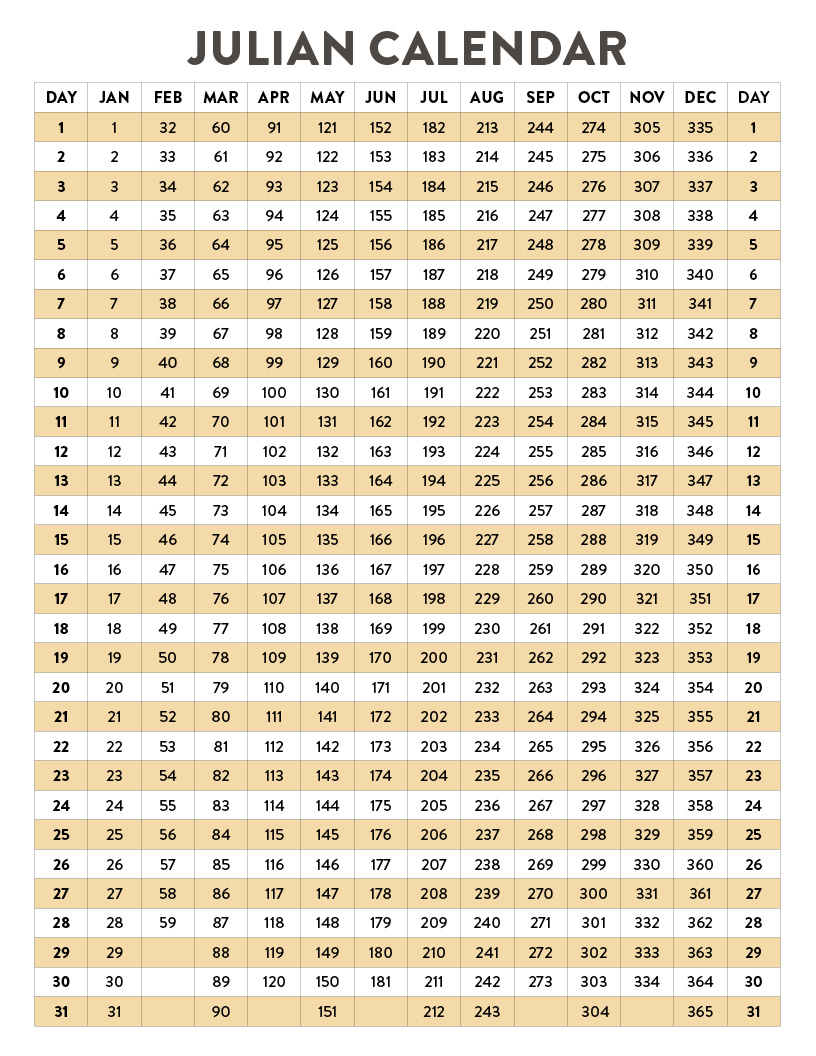
Julian Calendar 2026 and 2026
2026 is just around the corner, and with it comes the excitement of a new year and all the possibilities it holds. As we look ahead to the upcoming year, it’s worth taking a moment to reflect on the different calendars used around the world. One such calendar is the Julian calendar, which has a rich history and continues to be used by various Orthodox Christian communities.
The Julian calendar was introduced by Julius Caesar in 46 BC and was in use for many centuries before the Gregorian calendar was adopted in most parts of the world. However, the Julian calendar is still used by some Orthodox churches to determine the date of Easter, as well as for other religious purposes. In 2026, the Julian calendar will once again play a role in marking important religious events for these communities.
Exciting Events in 2026
In 2026, the Julian calendar will be used to determine the date of Easter for Orthodox Christian communities. Easter is one of the most important religious holidays in the Christian calendar, marking the resurrection of Jesus Christ. The date of Easter is determined based on a complex set of calculations involving the lunar cycle and the vernal equinox, and the Julian calendar plays a key role in this process.
In addition to Easter, the Julian calendar will also be used to mark other important religious events in 2026, such as Christmas and various saints’ days. These celebrations are an important part of the cultural and religious identity of Orthodox Christian communities around the world, and the Julian calendar helps to ensure that these events are observed at the correct time each year. As we look ahead to 2026, we can anticipate a year filled with rich traditions and joyful celebrations for those who follow the Julian calendar.
Celebrating Diversity in Timekeeping
While the Gregorian calendar is the most widely used calendar in the world today, the Julian calendar serves as a reminder of the diversity of timekeeping systems that exist across different cultures and religions. By continuing to use the Julian calendar for religious purposes, Orthodox Christian communities are able to maintain a connection to their historical roots and traditions, even as the world around them changes.
As we prepare to welcome 2026, let us take a moment to appreciate the richness and diversity of the world’s calendars, and the ways in which they reflect the unique cultural and religious identities of different communities. While we may all mark the passage of time in different ways, the shared human experience of looking forward to a new year and all the possibilities it brings is something that unites us all, regardless of the calendar we follow.
Related Calendars…
Images Disclaimer: The images used on this website are for illustrative purposes only. All images are property of their respective owners and are used here with permission, under fair use, or believed to be in the public domain. We do not claim ownership over any images unless specifically noted. If you believe an image used on this site infringes on your copyright, please contact us immediately with the relevant details so we can promptly address the issue.